What is Dental Cleaning?
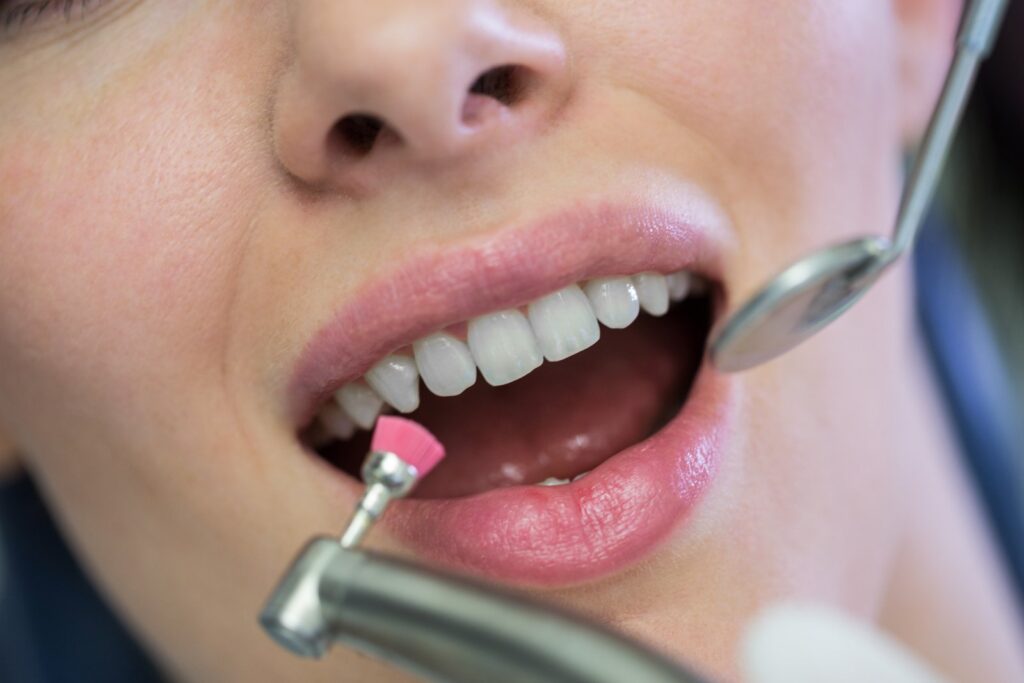
Dental cleaning is a simple and safe way to keep your teeth and gums healthy. During a professional dental cleaning, a dentist or dental hygienist removes plaque and tartar from your teeth. Plaque is a sticky film of bacteria. If not cleaned, it can harden into tartar. Both can lead to tooth decay and gum disease. Usually, dental cleaning is done at a dental clinic. Many people search for “dental cleaning near me” to find a trusted provider.
Why is Dental Cleaning Important?
Regular dental cleaning is important for many reasons. First, it helps prevent cavities and gum disease. Also, it removes stains, making your teeth look brighter. In addition, dental cleaning can help freshen your breath. Most importantly, it allows your dentist to spot early signs of problems. According to the American Dental Association (ADA), regular cleanings are key for long-term oral health.
Step-by-Step Dental Cleaning Procedure
Many people wonder about the teeth cleaning procedure. Here is what you can expect during a professional dental cleaning:
Sometimes, your dentist may apply fluoride for extra protection. Each step is gentle and helps keep your mouth healthy.
Benefits of Regular Dental Cleaning
There are many dental cleaning benefits for your oral and overall health. For example, regular cleanings can:
Additionally, some studies suggest that good oral health may lower your risk of heart disease. Therefore, keeping up with dental cleaning is a smart choice.
Aftercare Tips Following Dental Cleaning
After your dental cleaning, you may wonder what to do next. Here are some simple aftercare tips:
If you feel any discomfort, it should go away in a day or two. However, if pain or bleeding lasts, contact your dentist.
Frequently Asked Questions about Dental Cleaning
In summary, dental cleaning is a key part of keeping your mouth healthy. It helps prevent problems and keeps your smile bright. For the best results, follow your dentist’s advice and keep up with regular cleanings.
Consult your dentistat Soft smiles dental for personalized advice on dental cleaning and oral health.