
What Are Dental Bridges?
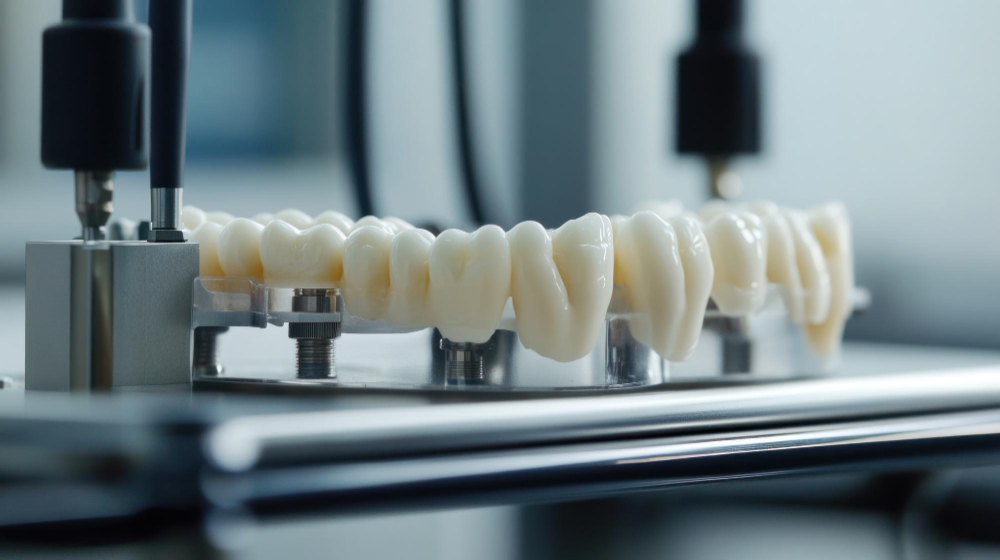
Dental bridges are fixed dental devices. They replace one or more missing teeth. Dentists use them to fill gaps in your smile. Usually, a dental bridge has one or more artificial teeth. These are called pontics. The bridge attaches to natural teeth or implants on either side of the gap. Because dental bridges restore your bite and smile, they are a common solution for missing teeth. According to the American Dental Association, bridges can help keep your mouth healthy and functional.
Who Needs Dental Bridges?
If you have lost one or more teeth, you may need a dental bridge. Missing teeth can cause problems. For example, your other teeth may shift into the empty space. This can lead to bite issues or jaw pain. In addition, missing teeth can make chewing or speaking harder. People who want to restore their smile or prevent further dental problems often choose dental bridges. However, your dentist will check if your gums and nearby teeth are healthy enough to support a bridge.
How Do Dental Bridges Work?
Dental bridges work by filling the space left by missing teeth. First, the dentist prepares the teeth on either side of the gap. These teeth, called abutments, support the bridge. Next, the dentist places the artificial tooth or teeth between them. The bridge is then cemented in place. As a result, you can chew and speak more easily. Also, your smile looks complete again. Dental bridges are custom-made to fit your mouth.
Types of Dental Bridges
There are several types of dental bridges. Each type fits different needs. Here are the main types:
Because each type has pros and cons, your dentist will help you choose the best option.
Benefits and Risks
Dental bridges offer many benefits. For instance, they:
However, there are some risks. For example, the teeth supporting the bridge may become weak or decayed. Sometimes, the bridge may become loose or break. Good oral care helps lower these risks. According to the CDC, regular dental visits are important for keeping bridges healthy.
The Dental Bridge Procedure: Step-by-Step
Getting a dental bridge usually takes two or more visits. Here is a step-by-step overview:
After the procedure, your dentist will give you care instructions.
Care and Maintenance Tips
Proper care helps your dental bridge last longer. Here are some tips:
Because good oral hygiene is key, always follow your dentist’s advice.
Prevention and Oral Health Guidance
Preventing tooth loss is important. To keep your teeth healthy:
With these steps, you can lower your risk of needing a dental bridge in the future.
Conclusion
Dental bridges can restore your smile and help you eat and speak better. However, only a dental specialist can tell if a dental bridge is right for you. Consult a dental specialist at Soft smiles dental to determine if a dental bridge is right for you.