What Are Pit and Fissure Sealants?
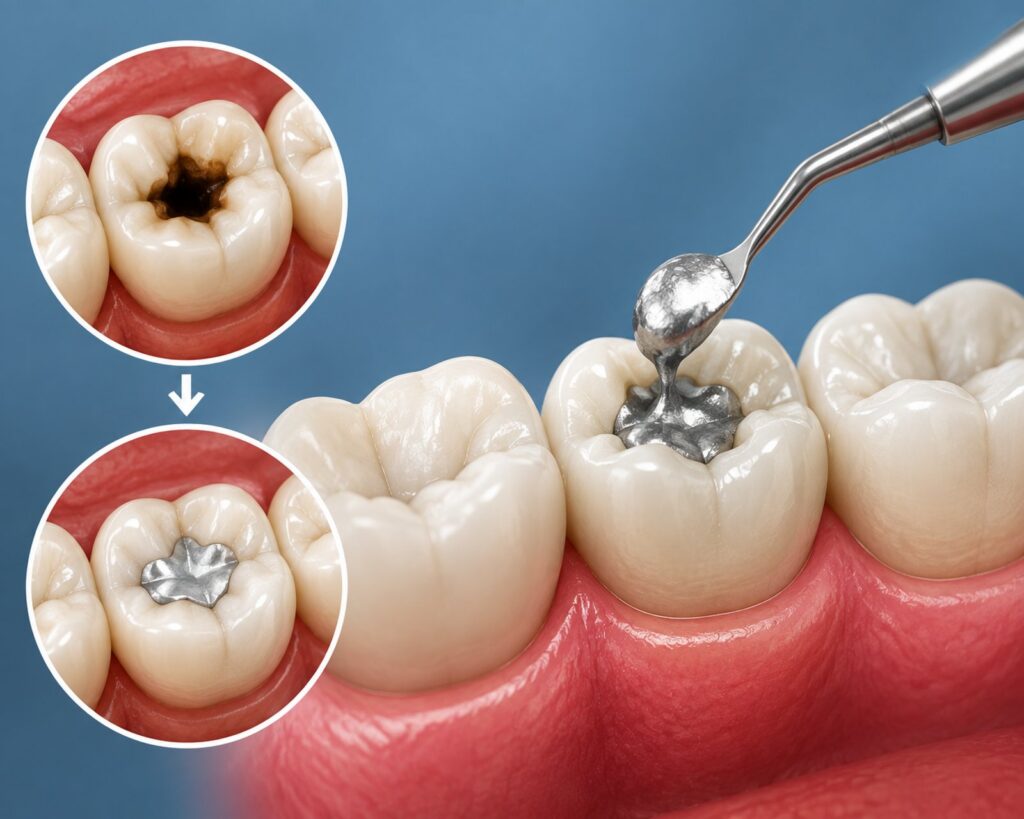
Pit and fissure sealants are thin, plastic coatings. Dentists place them on the chewing surfaces of back teeth. These teeth, called molars and premolars, often have deep grooves. Because of these grooves, food and germs can get trapped easily. As a result, children are more likely to get cavities in these areas. Sealants help by covering these grooves and making teeth smoother. The Centers for Disease Control and Prevention (CDC) and the World Health Organization (WHO) both recommend sealants for children’s dental care.
How Do Pit and Fissure Sealants Work?
First, the dentist cleans the tooth. Next, they paint the sealant onto the tooth’s surface. The sealant flows into the tiny pits and fissures. After that, a special light hardens the coating. Because the sealant forms a shield, it keeps out food and germs. This process helps prevent cavities in kids. Even though brushing is important, sealants add extra protection in hard-to-reach spots.
Benefits of Pit and Fissure Sealants for Children
Sealants offer many benefits for children’s dental care. For example, they:
In addition, studies show that sealants can reduce cavities by up to 80% in molars. Because of these benefits, many dentists recommend sealants for school-age children.
Who Should Get Pit and Fissure Sealants?
Most children benefit from sealants. Dentists often suggest them for kids between ages 6 and 14. This is when permanent molars and premolars come in. However, some younger children with deep grooves in baby teeth may also need them. Even teens and adults without cavities in their back teeth can get sealants. Still, the earlier sealants are applied, the better the protection. If you live in a city or area with high cavity rates, ask your dentist about sealants for your child.
The Application Process: What to Expect
Getting pit and fissure sealants is simple and painless. Here is what usually happens during a dental visit:
Because the process is quick, most children feel comfortable during the visit. No shots or drilling are needed.
Safety and Side Effects
Pit and fissure sealants are safe for children. The American Dental Association (ADA) states that sealants have been used for many years. While some parents worry about chemicals, studies show that the amount is very low. Most children do not have any side effects. Rarely, a child may have a mild allergy to the materials. If your child has allergies, tell your dentist before the procedure. Overall, sealants are a trusted way to help prevent cavities in kids.
How Long Do Sealants Last?
Sealants can last several years with good care. However, they may wear down over time. Dentists check sealants at each regular visit. If a sealant chips or falls off, the dentist can repair or replace it. Because sealants protect teeth best when they stay in place, regular dental check-ups are important. Even though sealants are strong, chewing hard foods or grinding teeth can cause them to wear out faster.
Tips for Maintaining Sealants and Oral Health
To keep sealants working well, follow these tips:
Because sealants do not cover all tooth surfaces, good brushing and flossing are still needed. With the right care, sealants and healthy habits can keep your child’s teeth strong.
Preventing Cavities in Children: Additional Strategies
Besides pit and fissure sealants, there are other ways to prevent cavities in kids. For example:
Because every child is different, your dentist can help you choose the best plan. Together, these steps can help keep your child’s smile healthy for years to come.
Conclusion
If you want to protect your child’s teeth from cavities, Soft smiles dental is here to help. Book a consultation today to learn more about sealants and keep your child’s smile healthy.